

TRAIN-THE-TRAINER PROGRAMME
1. Importance of Attending Our Train the Trainer Certification Course
Our Train the Trainer Certification Course equips you with the credibility, structure, and confidence to deliver etiquette and protocol training at a professional standard. Beyond knowledge, it provides proven frameworks, practical methodologies, and real-world application, enabling you to train with authority, consistency, and impact. This certification positions you as a trusted expert, enhances your professional standing, and opens doors to new career and business opportunities in training, coaching, and consultancy.
2. Benefits of Attending This Course
- Master business etiquette to conduct meetings, networking, and professional interactions with confidence
- Acquire refined dining etiquette skills for formal, business, and social settings
- Learn how to teach professional image and personal branding effectively
- Understand local and international protocol to avoid costly social and corporate missteps
- Gain practical training techniques, scripts, and tools you can apply immediately
- Enhance credibility with a recognized certification
3. Who Should Attend
- Trainers, coaches, and facilitators seeking certification or specialization
- HR professionals and corporate trainers
- Consultants, educators, and speakers
- Business owners and professionals who represent their organizations
- Individuals aspiring to build a career in etiquette, image, or protocol training
5 DAYS (35 HOURS)
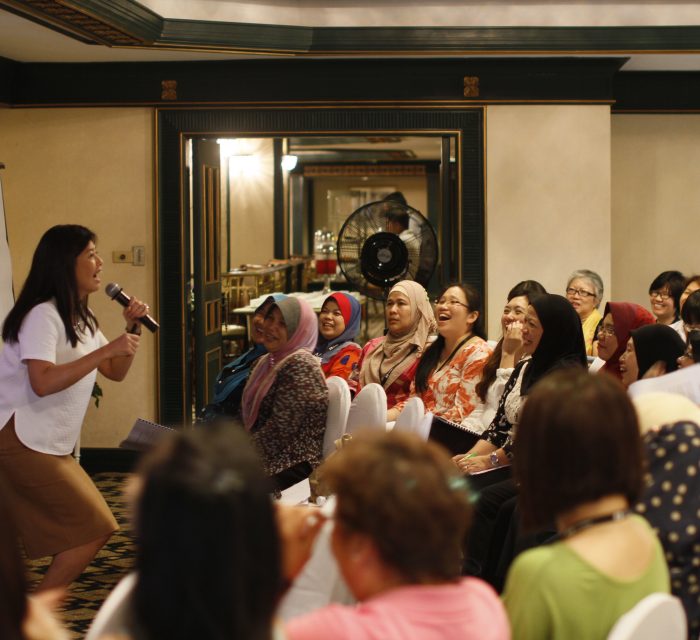
This 5-day interactive Train-the-Trainer programme will empower you with the skills to be a Certified Etiquette and Image Consultant and a subject matter expert in your field! It provides professional instruction with hands-on practices and role plays to prepare you to train others on business etiquette, executive entertaining, professional image and cultural awareness.
Benefits of Etiquette & Protocol Intelligence
Etiquette and protocol intelligence will distinguish you from the crowd. While this unique intelligence alone may not get you anywhere; it will give you an edge that will make the difference between you and another person who is just as smart!
Invitations
- Things to consider when extending an invitation or accepting an invitation.
- Protocol to observe when canceling an invitation.
Receiving Lines
- When is the receiving line important for the host?
- What should you do at the receiving line?
- Who should be at the receiving line?
Host Duties
- Steps to follow when organizing a proper business luncheon, eg. Choosing the restaurant, table, how to greet your guest, how to extend your hospitality, etc.
- Protocol to observe as the host.
Guest Duties
- Etiquette to observe to be an appreciative and cooperative guest.
Seating Guidelines
- How to seat all your guests correctly at a business meal.
Taking your seat and napkins
- The proper way to approach your seat and taking the exit.
- The correct way to pick up your napkin and where to position it between meals and after meals.
Host and Guest-of-Honour duties
- Types of formal toasting by the host.
- When should the formal toasting be done?
- When should the guest-of-honour return the toasting?
Toasting
- How to do a proper and good toast?
Posture at the table and excusing yourself
- Correct posture at the table for American and Continental styles of dining.
- Protocol to observe when excusing yourself
Styles of eating
- 2 universally accepted styles of eating – American and Continental.
Silverware savvy
- The correct way to secure your knife, fork and spoon.
- Correct ways of placing your silverware when you are cutting the food, eating the food, resting or after the meal – American and Continental styles.
- Handling the silverware for a very formal business meal.
Place setting maps
- Formal place settings for 4 & 6-course meals.
Dining Do’s and Don’ts
- Etiquette to observe at dining table.
Eating various foods
- Ways of eating various types of foods.
Chinese Dining Etiquette
Business and Social Etiquette
Eye Contact / Eye Signals
- Various eye signals for business and social environment.
- How to maintain correct eye contact.
How to make an entrance and leave a lasting impression
- How to make an effective entrance when attending a function.
- How to make your presence known and leave a lasting impression.
- How to prepare yourself before the function.
Improve Mingling Proficiency
- How to improve your small talk ability.
- Subjects for small talk.
- How to enter and exit from a group of strangers who may be your potential clients.
- Positive and negative body language.
- Deportment and posture.
Handshaking
- Various ways of handshaking that reveals your personality.
- Power points for handshaking.
- International ways of handshaking.
Introductions
- How to introduce yourself with confidence and authority.
- Protocol for business introductions.
- Formulas for proper formal and informal introductions.
Forms of Address
- How to address the President, Chief Justice, diplomats, etc.
Remembering Names
- Formulas for remembering names.
Business Card Protocol
- How to present the business card.
- How to make your business card an effective visual communications package.
Presenting Yourself Professionally
The image you project will be the “first impression” given to the customers / clients / business partners. Having the right image will impress them and draw their attention right away, melting any of their apprehension and meeting their expectations.
Part One: Fashion Sense
- Your Image is Showing
- First impressions are lasting impressions
- Plan your Career Wardrobe
- Basic Career Wardrobe
- Traditional Business Attire for Men / Women
- Combining ties, shirts, pants, suits for maximum visual impact
- Clothes to suit different women body proportions
- Guidelines on shoes, socks, belts, watches, handkerchiefs, briefcases and other accessories for Men
- Guidelines on shoes, pantyhose, jewellery, belts, briefcases and other accessories for Women
- Basic Career Wardrobe
- Dress Codes
- Formal and Informal Dressing
- White Tie
- Black Tie
- Black Tie Preferred / Optional / Invited
- Formal / Informal
- Formal and Informal Dressing
Part Two: Personal Grooming
- Detailed descriptions for improved look:
- Hair
- Hair color
- Teeth
- Hands and Nails
- Skin Care
- Fragrance
Part Three: Colors
- Psychological Association of Colours
- Colour Tips to help you project your professional image
- Selecting the right colours for you
- Colour Coordination
- Guiding principles to harmonizing colors
- The Color Wheel
- Colour to project professionalism and confidence
Part Four: Individual Body Analysis (for ladies) and Colour Analysis (for all)
(colour charts will be given to participants)
Presenting with Impact
Spokesperson vis-a-vis Answer Person
- Who is a spokesperson
- The role of the spokesperson
- Practice #1 – Interview practice session
Understand Our Audience and Stakeholders
- Who are our audience and stakeholders
- What are our audience and stakeholders’ needs
- Exercise #1 – Develop an audience and stakeholders’ map
Key Messages
- What are key messages
- Why are key messages important
- What is a message house
- Exercise #2 – Develop a message house
Presenting with Impact (Cont’d)
Managing Questions
- CLEAR Framework
- Managing questions from audience and stakeholders
- Practice #3 – Interview scenario with Q&A session
Acing Presentations
- Managing anxiety / nervousness
- Presentation Techniques 101
- Practice #4 – Live presentation
All practice sessions will be videoed and live in-person feedback will be given.
Presentation of Train-The-Trainer Certificates